Your ads are getting clicks, your website is bringing in visitors, and your social media is generating engagement. But somewhere along the way, those interactions aren’t turning into as many customers as you’d hoped.
It’s easy to assume the answer is more traffic or a bigger marketing budget. But sometimes the issue isn’t how many people you’re reaching. It’s what happens as they move from one marketing channel to the next.
When your ads, website, email, and sales follow-up aren’t working together, even small disconnects can cause potential customers to lose interest or move on.
What Is the Marketing Handoff Problem?
Think about the last time you clicked an ad that caught your attention, only to land on a website where you couldn’t find what was being advertised. You probably didn’t spend much time looking for it.
That’s a marketing handoff problem.
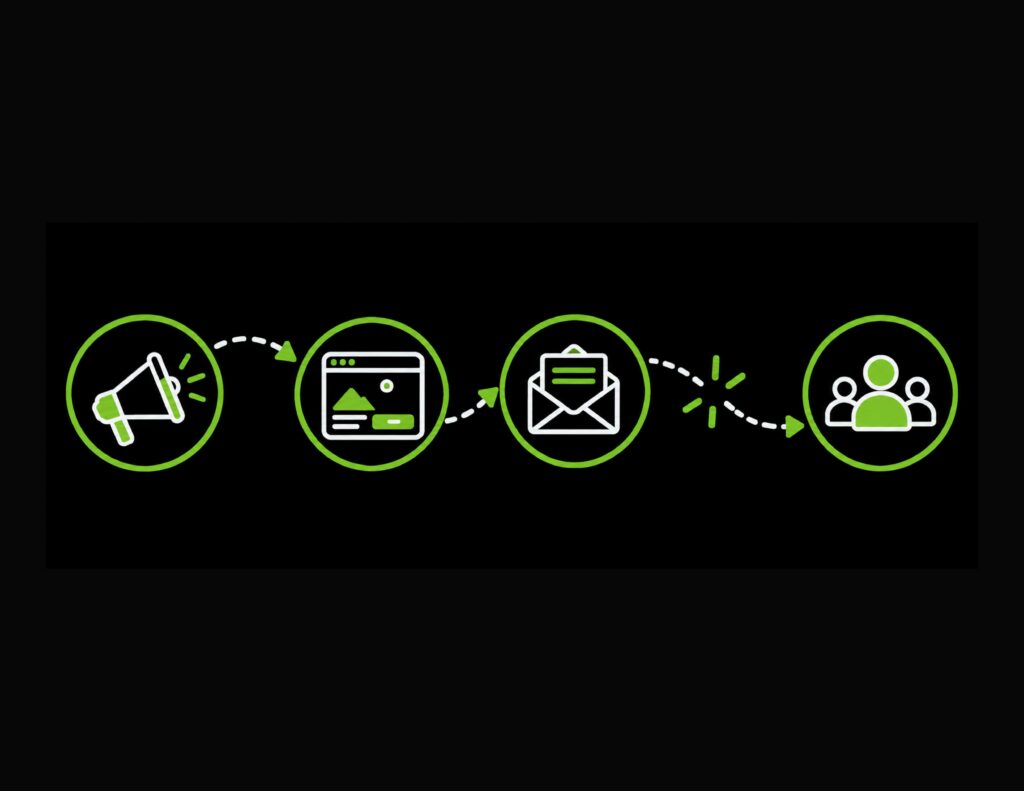
These handoffs happen whenever someone moves from one interaction with your business to another. It could be clicking from a social post to your website, submitting a contact form, or receiving an email after requesting more information.
Ideally, each interaction should build on the last. When the messaging changes, information is difficult to find, or follow-up takes too long, it creates unnecessary friction in the customer experience.
Where Are Businesses Losing Potential Customers?
There are a few common places where these disconnects tend to happen, and many are relatively simple to address.
1. Ads That Don’t Match Their Landing Pages
Someone clicks an ad promoting a specific service or offer, but instead of finding more information about it, they’re directed to a generic homepage.
Now they’re left searching for the very thing that brought them to your website.
A better approach is to make sure your landing pages follow through on what your ads promise. Consistent messaging, relevant information, and a clear next step can make it much easier for visitors to take action.
2. Social Media and Website Messaging That Feel Disconnected
Your social media might be doing a great job of showing your brand’s personality and explaining what you offer. But if someone visits your website and finds completely different messaging or outdated information, that experience can feel disconnected.
Your channels don’t need to use identical content, but they should tell a consistent story. Someone moving from Instagram or LinkedIn to your website should immediately recognize your business and understand what you can do for them.
3. Leads That Don’t Receive Timely Follow-Up
Getting someone to fill out a contact form is an important step, but what happens afterward matters just as much.
If a potential customer requests information and doesn’t hear back for several days, they may lose interest or reach out to a competitor.
Having a reliable follow-up process helps prevent those opportunities from slipping through the cracks. That might mean making sure form submissions reach the right person, sending an automated confirmation, or establishing clear expectations for response times.
4. Emails That Don’t Continue the Conversation
Imagine downloading a helpful resource about a specific topic, only to start receiving emails that have nothing to do with what interested you in the first place.
Even well-designed emails can miss the mark when they don’t reflect where someone is in their decision-making process.
Instead of treating every contact the same, consider what brought them to your business and what information would be most useful next. Relevant follow-up helps keep the conversation moving naturally.
5. Marketing and Sales Teams That Aren’t Connected
Marketing and sales often have different pieces of the same puzzle. Marketing knows which campaigns are bringing in inquiries, while sales has a better understanding of which leads are qualified and what questions potential customers are asking.
When that information isn’t shared, it’s harder to see what’s actually working.
Regular communication between teams can help identify which marketing efforts are bringing in valuable opportunities, where prospects are getting stuck, and what could be improved.
How to Spot Gaps in Your Own Marketing
One of the easiest ways to identify these issues is to experience your marketing the way a potential customer would.
Start with one of your ads or social posts and follow the journey from there. Does the landing page deliver what was promised? Is it clear what someone should do next? If you submit a contact form, does it work, and how quickly does someone respond?
It’s also worth reviewing your follow-up emails and talking with your sales team about the questions or frustrations they hear most often.
You may find that the biggest opportunities aren’t necessarily in creating something new, but in improving what’s already there.
Better Marketing Doesn’t Always Mean More Marketing
When results slow down, the natural response is often to increase ad spend, publish more content, or try another channel. But if there are gaps in the customer experience, bringing in more people won’t necessarily solve the problem.
Sometimes a clearer landing page, a simpler contact form, or a more consistent follow-up process can make a meaningful difference.
The important thing is to look beyond how each marketing channel performs on its own and consider how they work together.
After all, your customers don’t see your ads, website, emails, and sales conversations as separate marketing efforts. To them, it’s all one experience with your business.
At McLeod, we bring strategy, creative, digital marketing, and web together to help businesses create more connected experiences, from the first interaction to the next step.
Wondering where your marketing might be losing opportunities? Let’s talk about how to make your channels work better together.